





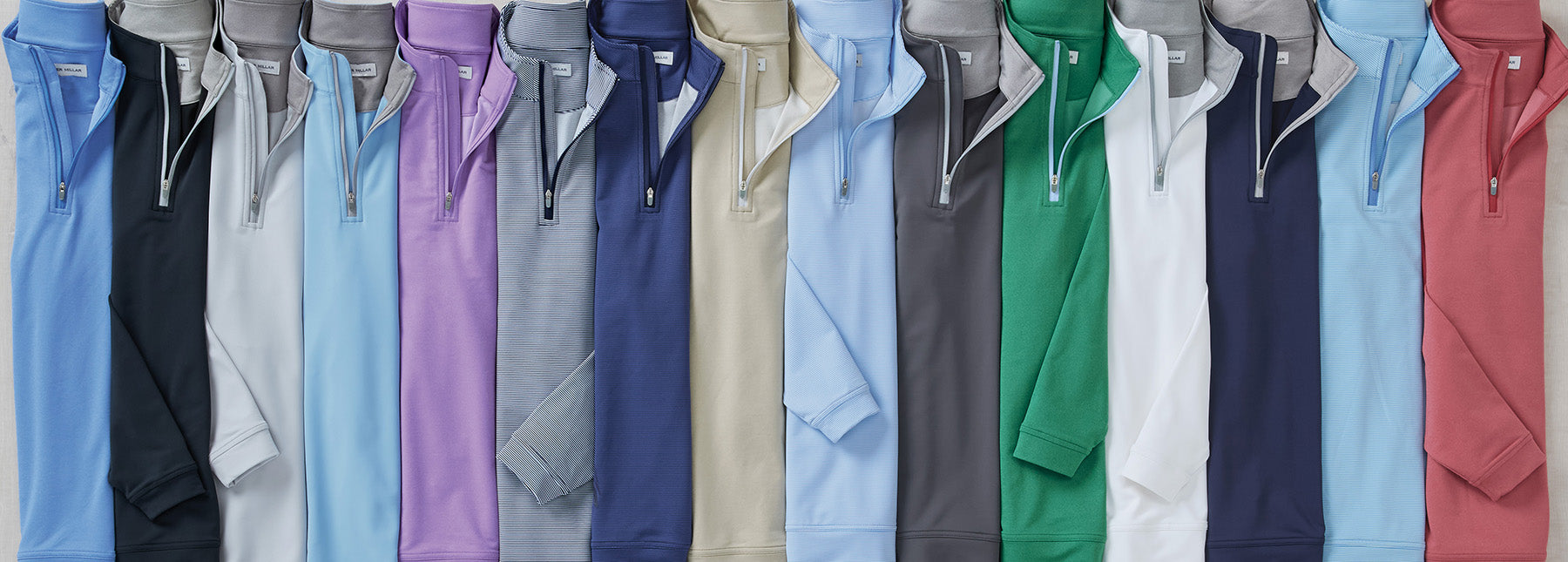

Premium clothing costs more for a reason — better fabrics, stronger construction, and refined fit. But those advantages only last if you take care of the garments properly. A $165 Peter Millar polo that's machine-dried on high heat every week will look worse after six months than a $40 polo that's air dried. And for big and tall men, where each piece represents a bigger fabric investment and where fit options are more limited, protecting what you own makes even more financial sense.
This guide covers the care fundamentals for every fabric type you'll find in a premium big and tall wardrobe — from performance knits to cotton twills to merino wool blends. Follow these practices and your clothes will look better, fit better, and last significantly longer.

Washing: The Rules That Actually Matter
Most clothing damage happens in the wash, not during wear. Agitation, heat, and harsh detergents break down fibers faster than anything you'll encounter during a normal day. The single most impactful change you can make is washing less frequently and more carefully.
Performance Fabrics (Polos, Athletic Wear, Moisture-Wicking Shirts)
Performance fabrics — the kind used in Peter Millar Crown Sport polos and Tommy Bahama IslandZone pieces — are engineered to wick moisture and resist odor. That means they don't need to be washed after every wear unless you've been sweating heavily. For a day at the office or a round of golf without excessive heat, hanging the shirt overnight and wearing it again is perfectly fine.
Performance fabric wash rules: Cold water, gentle cycle. Turn inside out to protect the outer finish. Use a sport-specific or mild liquid detergent — powder detergents can leave residue that clogs moisture-wicking fibers. Never use fabric softener on performance knits — it coats the fibers and destroys the moisture-wicking capability.
Shop Big & Tall Athletic & Performance Wear →
Cotton and Cotton-Blend Dress Shirts
Cotton dress shirts and sport shirts are more forgiving than performance knits, but heat is still the enemy. Hot water causes shrinkage and accelerates color fading — both problems are amplified in big and tall sizes where even a half-inch of shrinkage throws off the proportional fit.
Cotton shirt wash rules: Cold or warm water (never hot), normal or gentle cycle. Unbutton all buttons before washing to reduce stress on buttonholes. For wrinkle-free or non-iron shirts, remove promptly from the washer — letting them sit damp causes set-in wrinkles that defeat the purpose of the treatment.
Wool, Merino, and Cashmere Knits
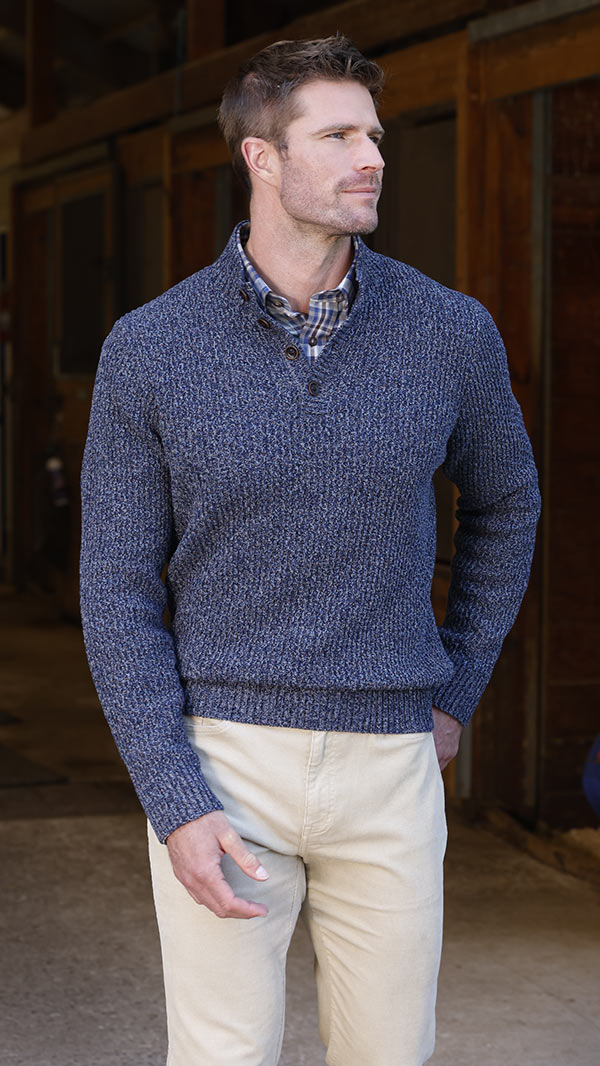
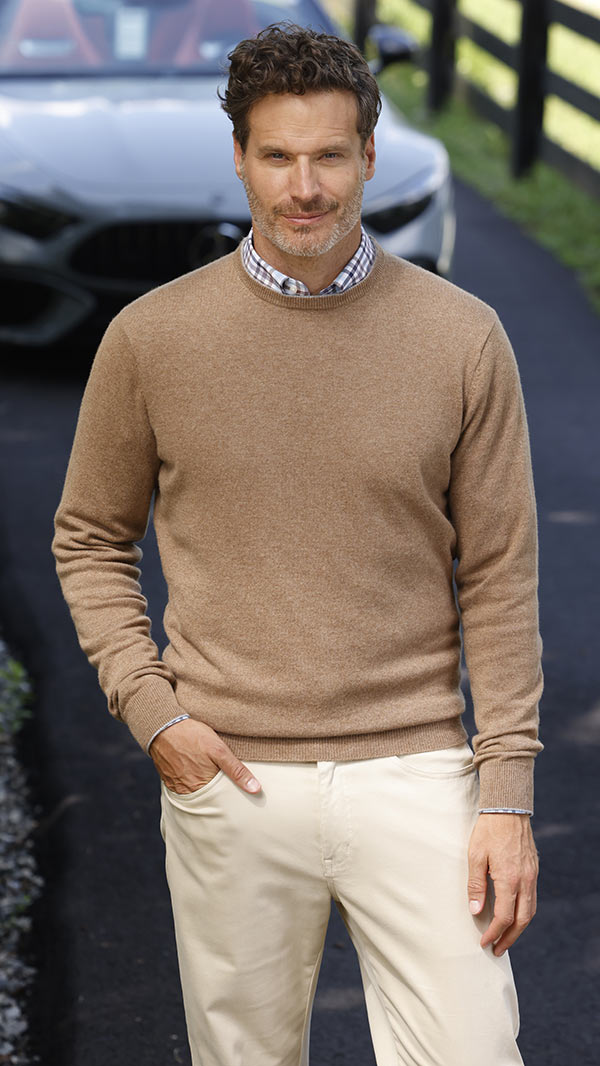
Premium sweaters, cardigans, and quarter-zips from brands like Peter Millar often use merino wool or merino blends. These fabrics are naturally antimicrobial — they resist odor far better than cotton — so they rarely need washing. Most knits can go five to ten wears between washes if you air them out between uses.
Wool and knit wash rules: Hand wash in cool water with a wool-specific detergent, or use the delicate/wool cycle on your machine inside a mesh laundry bag. Never wring wool — press water out gently between towels. Reshape while damp and lay flat to dry. Machine drying wool will felt and shrink it beyond repair.
Linen and Linen Blends
Pure linen wrinkles by design — it's part of the fabric's character. But excessive heat in the wash and dryer will make linen permanently stiff and can cause significant shrinkage. Linen-blend shirts from Polo Ralph Lauren and Tommy Bahama behave better than pure linen but still benefit from gentle treatment.
Linen wash rules: Cold water, gentle cycle. Remove immediately and shake out before hanging. Iron or steam while slightly damp for the smoothest finish. If you prefer the relaxed, slightly rumpled linen look, skip the iron entirely and just hang dry.
Drying: Where Most Damage Happens
The dryer is the most destructive appliance in your laundry routine. High heat breaks down elastic fibers, shrinks cotton, felts wool, and sets wrinkles permanently. For premium clothing, the general rule is simple: when in doubt, air dry.
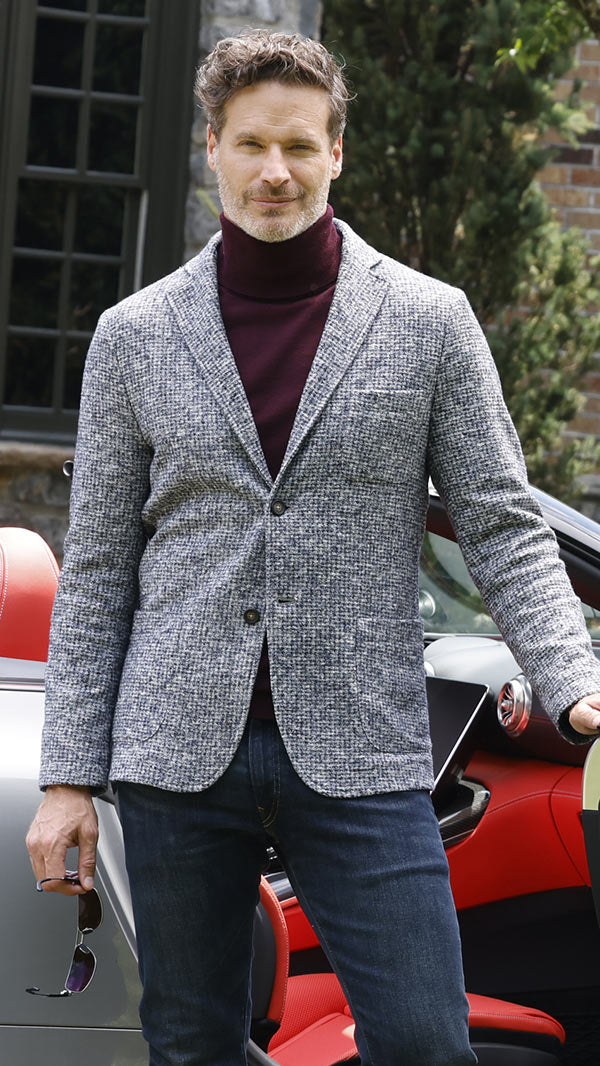
Items to always air dry: Performance polos and moisture-wicking shirts, wool and merino knits, anything with stretch or spandex content, printed or embroidered pieces, blazers and sport coats (which should be dry cleaned, not machine washed at all).
Items safe for low-heat tumble drying: Cotton chinos and casual pants, heavyweight cotton tees, underwear and undershirts. Even with these items, remove them while slightly damp rather than bone dry — over-drying is what causes shrinkage and stiffness.
The hanger test: If the garment costs more than $80 or has any performance fabric content, hang it to dry. A simple wooden or padded hanger and an overnight dry is the single best thing you can do to extend the life of premium clothing.
Storage: Keeping Your Wardrobe Ready to Wear
How you store clothing between wears matters more than most men think — especially for big and tall men whose garments are larger and more susceptible to hanger stress and gravity-related stretching.
What to Hang vs. What to Fold
Hang: Blazers and sport coats, dress shirts, dress pants (use clip hangers at the cuffs to let gravity remove wrinkles). Use broad wooden or padded hangers for blazers — thin wire hangers will create shoulder dimples in the fabric over time.
Fold: Sweaters, cardigans, quarter-zips, and heavier knits. Hanging knits causes them to stretch at the shoulders and distort their shape. Fold them along the natural seam lines and stack on shelves or in drawers.
Polos: This is the one category where it truly doesn't matter. Performance polos can be hung or folded with no damage either way. If closet space is tight, fold them — they're wrinkle-resistant by nature.
Seasonal Storage
When rotating seasonal pieces — heavy knits in summer, lightweight linens in winter — clean every garment before storage. Body oils, invisible food stains, and deodorant residue attract moths and set permanently over time. Use breathable garment bags (cotton or canvas, not plastic) for long-term storage. Add cedar blocks or lavender sachets as natural moth deterrents. Avoid mothballs — they work, but the chemical odor is nearly impossible to fully remove from premium fabrics.
Care Tips Specific to Big & Tall Clothing
Big and tall garments face unique stresses that standard-size clothing doesn't. More fabric surface area means more friction, more weight on seams, and more potential for heat damage during drying. A few targeted adjustments make a significant difference.
Wash big and tall items separately or with similar sizes. Mixing large garments with small ones causes uneven agitation — the larger pieces wrap around smaller ones, creating extra stress on both. If you can't do separate loads, use a mesh laundry bag for smaller items.
Pay extra attention to seam areas. The underarms, inner thighs, and collar are the highest-friction areas on big and tall garments. These zones wear out first on cheaper fabrics. For premium brands like Peter Millar and Polo Ralph Lauren, the reinforced construction handles this well — but gentle wash cycles and air drying still extend the life of these stress points significantly.
Don't over-dry big and tall items. Larger garments retain more moisture than standard sizes, so dryer sensors often mark them as "dry" when the interior is still damp. This leads to over-drying the exterior while the inside stays wet — a recipe for mildew. When in doubt, pull items out slightly damp and hang for the final hour of drying.
Quick Reference: Care by Brand
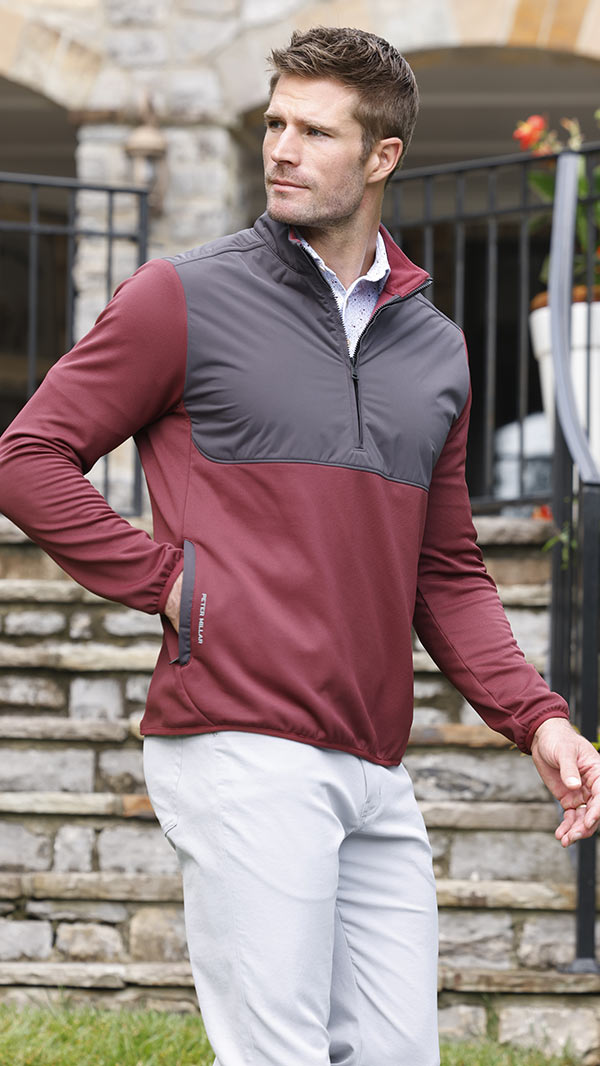
Peter Millar: Cold wash, air dry for Crown Sport and Crown Comfort pieces. Cotton-blend sport shirts are safe on gentle cycle with low-heat dry. Quarter-zips and sweaters should always be laid flat to dry.
Tommy Bahama: IslandZone performance pieces follow the same rules as Peter Millar's sport line — cold wash, no fabric softener, air dry. Silk-blend camp shirts should be dry cleaned or hand washed in cool water. Linen and linen-blend shirts can be machine washed on gentle but should be hung immediately to minimize wrinkles.
Polo Ralph Lauren: Cotton mesh polos are machine-safe on cold/gentle — turn inside out to protect the pique texture. Oxford shirts and seersucker can handle normal cycle but remove promptly. Double-knit joggers and track jackets should be air dried to preserve the stretch recovery.
Westport Labels (No-Tuck, Lifestyle, Westport Black): Most Westport pieces are designed for easy care — machine wash cold, tumble dry low. The No-Tuck shirts are particularly low-maintenance thanks to their wrinkle-resistant finish.
Invest in clothes that last — and the care that keeps them looking new. Shop premium big and tall clothing from brands built to endure.
Shop Luxury Collection
